
Cervical Spondylosis Treatment in Jumeirah 1, Dubai
Physiotherapy for neck arthritis, with a GP, X-ray and ultrasound in the same clinic
RamaCare Polyclinic treats cervical spondylosis (neck arthritis) at 12 Al Dhiyafah Road, Jumeirah 1, Dubai. A physiotherapy assessment costs AED 200 and includes nerve tests for arm pain or tingling. Treatment is exercise-led, with deep neck strengthening, joint mobilisation, dry needling, taping and posture advice. Our GP can suggest or prescribe medication where appropriate, and an X-ray or ultrasound scan can be done in the clinic. Open every day, 10am–10pm.
Most people with cervical spondylosis improve without injections or surgery. This page explains what it is, the warning signs that need urgent care, and how it is treated.
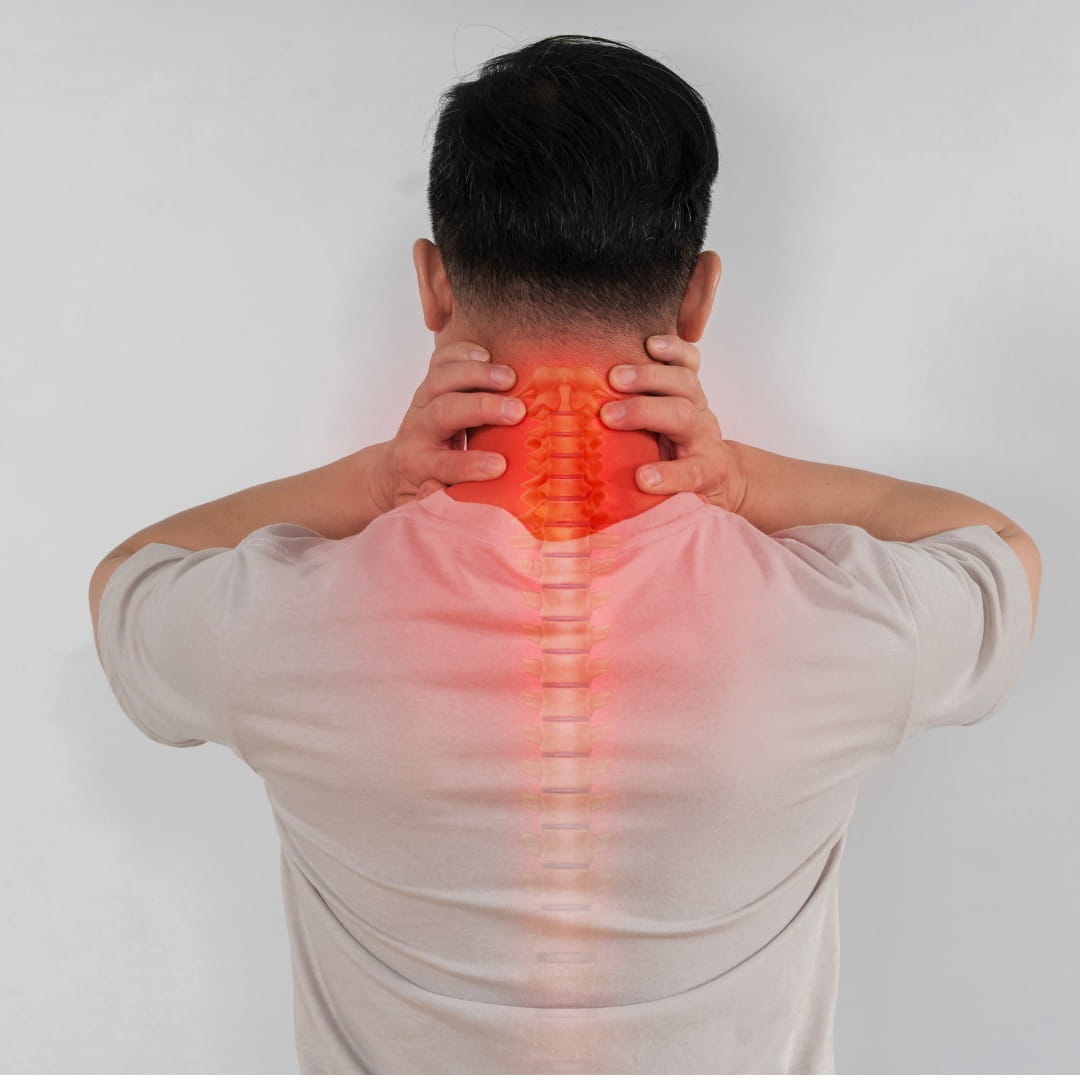
Neck Arthritis Physiotherapy in Jumeirah 1
DHA-licensed physiotherapist · GP, X-ray and ultrasound on site
What Is Cervical Spondylosis?
Cervical spondylosis is age-related wear and tear of the discs and joints in the neck (the cervical spine). It is also called neck arthritis or cervical osteoarthritis. Changes show on scans in most people over 60, but many have no pain at all.
It most often affects the lower neck, at the C5–C6 and C6–C7 levels. When symptoms do appear, they range from a stiff, aching neck to arm pain from a pinched nerve, and rarely pressure on the spinal cord.
Understanding Cervical Spine Anatomy
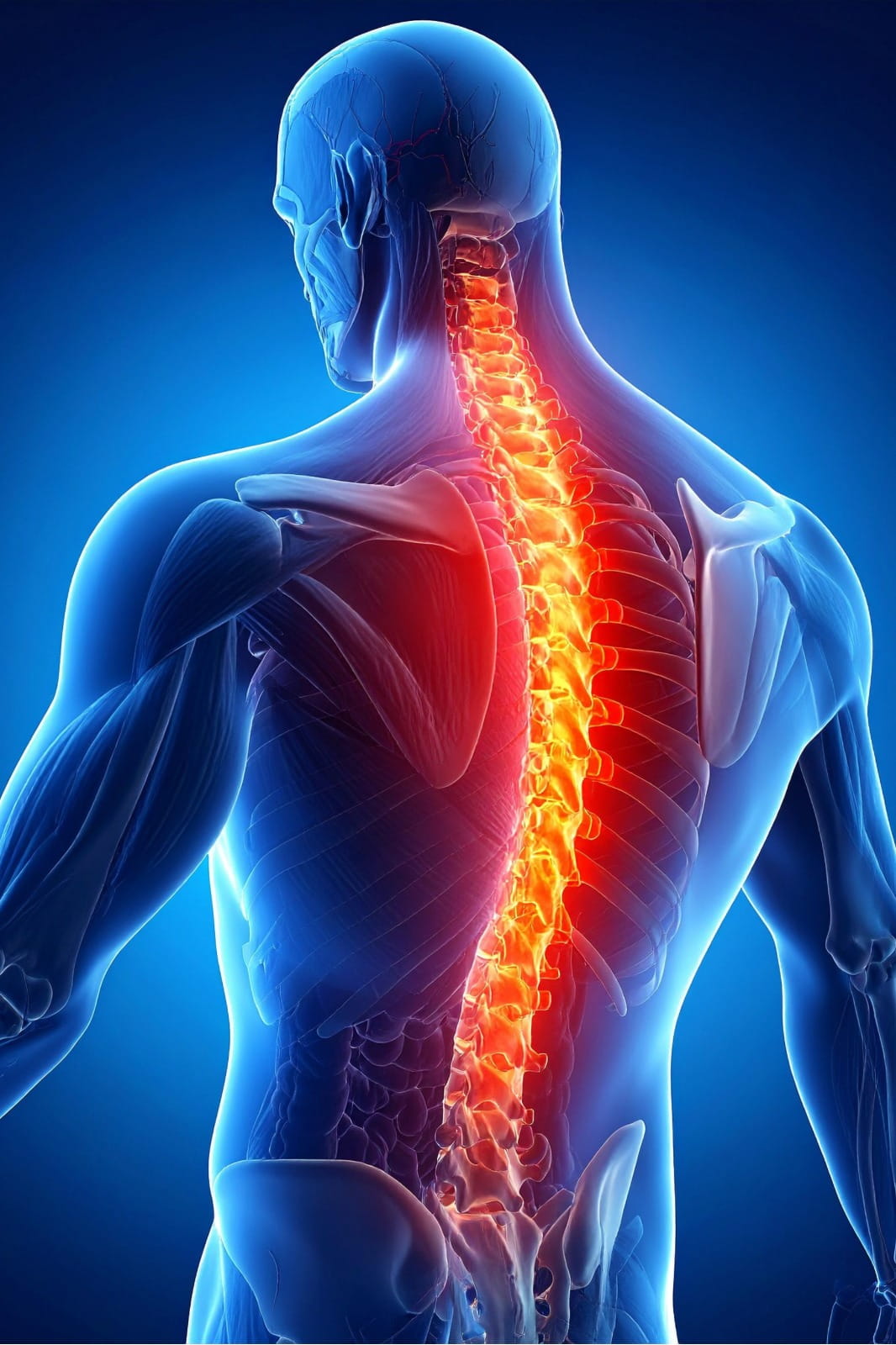
The neck has seven vertebrae, with a disc between each one acting as a cushion and small facet joints on each side that let you turn, tilt and nod. Nerves leave the spinal cord through narrow openings between the vertebrae and travel to the shoulders, arms and hands.
How Degeneration Develops
Over the years the discs lose water and height, the facet joints wear, and small bone spurs (osteophytes) can form. If these changes narrow the space for a nerve, arm pain, tingling or weakness can follow (cervical radiculopathy). If they narrow the space for the spinal cord, it is called cervical myelopathy, which needs urgent medical review.
Cervical Spondylosis vs. a Slipped Disc
Spondylosis is a slow, general wear process over many years. A slipped (herniated) disc is a specific event where disc material pushes out and presses on a nerve, sometimes on top of existing spondylosis. Both can cause arm pain and both are usually treated without surgery.

Why Early Treatment Matters
Wear in the neck cannot be reversed, but symptoms can. Early exercise-based treatment usually eases pain, keeps the neck moving and lowers the chance of nerve symptoms getting worse.
Symptoms of Cervical Spondylosis
Many people with spondylosis on a scan have no symptoms. When they do, common signs are:
Get urgent medical review if you notice clumsy hands (dropping things, trouble with buttons or writing), unsteady walking, or numbness or weakness in both arms or legs. These can be signs of cervical myelopathy, where the spinal cord is under pressure. Loss of bladder or bowel control needs emergency care: call 998.
Causes of Cervical Spondylosis
Cervical spondylosis develops gradually, usually from several factors together:
Risk Factors
Long desk hours and daily driving are common among our patients in Jumeirah 1 and nearby areas. These do not cause spondylosis on their own, but they often make the symptoms worse.
How We Diagnose Cervical Spondylosis
Your assessment in Jumeirah 1 (AED 200) usually includes:
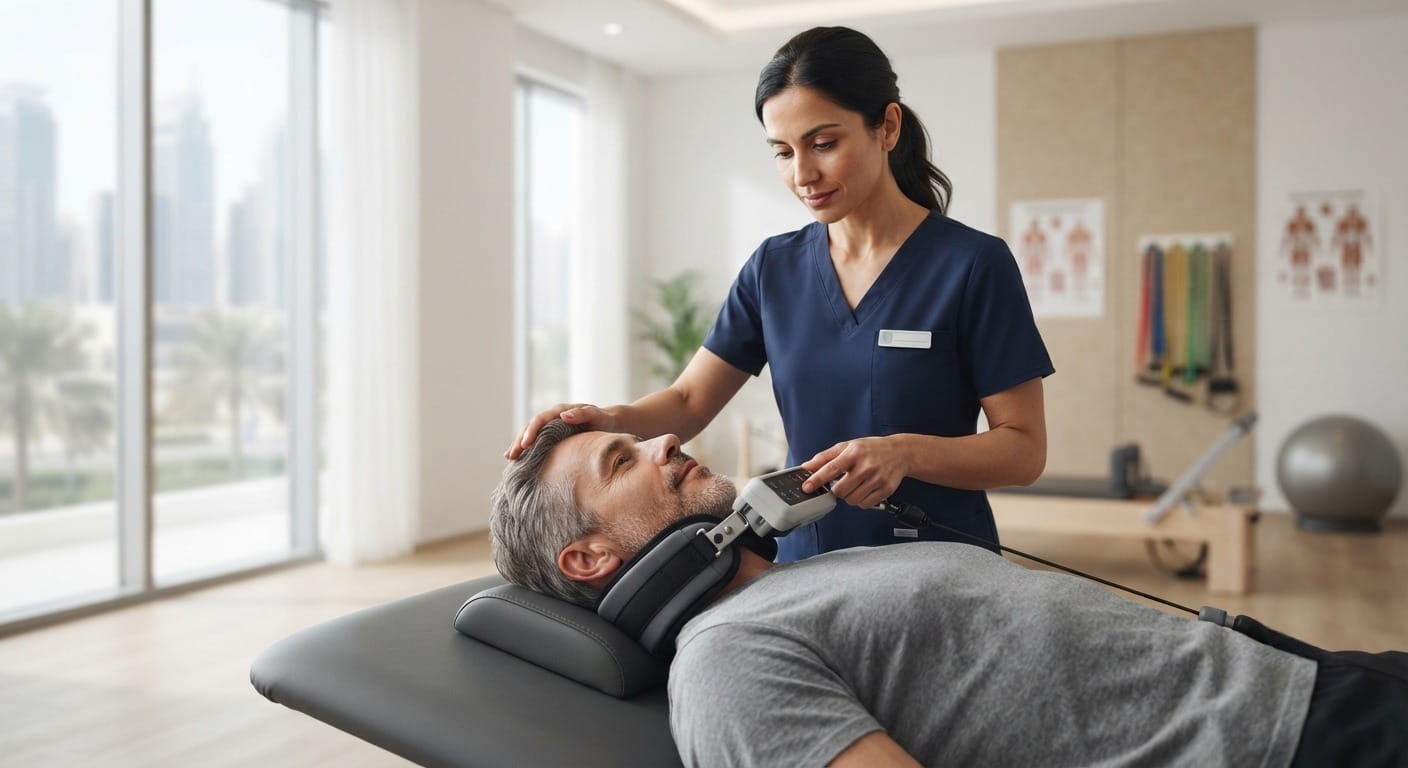
Medical History
When symptoms started, what makes them better or worse, work, driving, sleep and past injuries
Neck Movement Testing
How far and how comfortably the neck turns, bends and tilts
Nerve Tests
Reflexes, sensation and strength in the arms and hands, to check for a pinched nerve or spinal cord pressure
Posture and Muscle Check
Forward head position, muscle tightness and tender points
X-ray or Ultrasound in the Clinic
X-ray shows bone spurs and narrowed disc spaces; ultrasound can check soft tissue. Both are done at RamaCare when needed.
GP Review and Referral
Our GP can suggest or prescribe medication where appropriate. MRI or CT is arranged by referral if nerve or spinal cord symptoms are present.
Wear on an X-ray does not always explain the pain, so treatment is based on your symptoms and examination, not the scan alone.
Cervical Spondylosis Treatment at RamaCare
Treatment is exercise-led, with hands-on care and practical changes to daily habits:
Physiotherapy
Physiotherapy is the main treatment for most people with cervical spondylosis. See all our physiotherapy in Jumeirah 1.
Deep Neck Strengthening
Exercises for the deep neck flexors and upper back that support the spine, one of the best-supported treatments for long-standing neck pain.
Manual Therapy and Joint Mobilisation
Hands-on techniques to ease stiff joints and tight muscles and improve movement.
Nerve Mobilisation
Gentle movements of the arm and neck for arm pain or tingling from a pinched nerve.
Posture Correction
How you sit, stand and use screens, with simple changes to reduce load on the neck.
Dry Needling
Targets tight muscles and trigger points that add to neck pain and headaches.
Deep Tissue Massage
Therapeutic massage of the neck and shoulders by our DHA-licensed physiotherapist as part of your plan. A clinical treatment, not a spa service.
Kinesio Taping
Supports the neck and shoulder muscles during the working day.
Electrotherapy (TENS)
Used with exercise to help reduce pain signals and muscle spasm.
Ultrasound Therapy
Therapeutic ultrasound for the soft tissues of the neck, used together with exercise.
Stretching
Gentle stretches for the neck, shoulders and chest to ease stiffness.
Desk, Car and Sleep Advice
Screen height, chair, car seat, pillow and sleeping position.
Home Exercise Programme
A short daily routine to keep progress going between sessions.
RamaCare does not give injections or perform surgery. If you need a nerve root injection or a surgical opinion, we refer you to a spine specialist. Ayurvedic neck therapies such as Greeva Basti are also available through our Ayurveda team if you want to combine approaches.
Benefits of Physiotherapy
For most people, exercise-based physiotherapy:
Eases neck pain and stiffness
Improves how far you can turn your head
Reduces arm pain and tingling for many people
Strengthens the muscles that support the neck
Makes working, driving and sleeping easier
Lowers the chance of flare-ups
Helps many people avoid injections or surgery
Exercises for Cervical Spondylosis
The following mobility exercises and stretches are commonly recommended as part of a rehabilitation program. They should only be performed after a professional assessment, since the right exercises depend on your specific findings.
Chin Tuck
Drawing the chin straight back (like making a double chin) to strengthen deep neck flexor muscles.
Recovery Timeline
The wear itself stays, but symptoms usually settle. As a general guide:
Neck Pain and Stiffness
2–6 Weeks
Most flare-ups of neck pain and stiffness improve within a few weeks of exercise and treatment.
With Arm Pain or Tingling
6–12 Weeks
A pinched nerve (cervical radiculopathy) usually takes longer, and many people improve over two to three months.
Long-Standing or Severe
Ongoing + Review
Long-term symptoms need a maintenance programme. Spinal cord symptoms need specialist review.
Progress depends on doing your home exercises, desk and posture changes, general fitness and how long symptoms have been present.
Prevention Tips
Why Choose RamaCare for Cervical Spondylosis in Jumeirah 1?
What you get at our Jumeirah 1 clinic:
For general neck pain, text neck and headaches see neck pain treatment; for a disc problem see slipped disc treatment; for shoulder pain see shoulder pain treatment. Insurance is by reimbursement with an itemised invoice.
Meet Your Physiotherapist and GP
Cervical spondylosis care at RamaCare is led by Jeena Mathew, a DHA-licensed physiotherapist (BPT, MPT), with our GP for medication, X-ray, ultrasound and referrals.

Jeena Mathew
BPT, MPT (Physiotherapy)
Musculoskeletal Physiotherapy
8+ Years ExperienceKey Expertise
- Back Pain & Sciatica: Manual therapy and strengthening
- Neck Pain: Joint mobility and posture advice
- Shoulder & Knee Pain: Rehabilitation

Dr. Sahar Zomorrodi
DHA-Licensed General Practitioner | Diploma from American Aesthetic Academy
General Practice & Aesthetic Medicine
14 Years Experience | DHA LicensedKey Expertise
- Holds a diploma from the American Aesthetic Academy
- Skilled in non-surgical cosmetic procedures, skin rejuvenation, and anti-aging treatments
- Committed to delivering safe, personalized, and results-driven care
Cervical Spondylosis in Jumeirah 1: Common Questions
Cervical Spondylosis Treatment in Jumeirah 1
Cervical spondylosis is common and usually manageable. With the right assessment and an exercise-based plan, most people move more comfortably and have fewer flare-ups.
At RamaCare Polyclinic in Jumeirah 1, a DHA-licensed physiotherapist assesses your neck for AED 200, with a GP, X-ray and ultrasound in the same clinic and honest referral if you need a specialist.
Book your assessment by phone, WhatsApp or online. Open every day until 10pm.
Book Your Assessment
Content Reviewed by Jeena Mathew
Musculoskeletal Physiotherapy Specialist
BPT, MPT (Physiotherapy) · DHA Licensed Physiotherapist • 8+ Years Clinical Experience
Book a Neck Arthritis Assessment in Jumeirah 1
Physiotherapy assessment AED 200. Open every day 10am–10pm, with same-day appointments when slots are free.
Get In Touch
Call Us
+971 04 286 2006
Chat with us instantly
query@ramacarepolyclinic.com
Clinic Address
12 Al Dhiyafah Rd - Jumeirah Terrace Building,
Ground Floor, Jumeirah 1 - Dubai
Clinic Hours
Request Appointment
DHA Licensed
Facility 2036418
AED 200
Physiotherapy Assessment
GP, X-ray
& Ultrasound On Site
Open Daily
10am – 10pm